Vintage Autumn Folk Pattern: Strategic Design for Seasonal Creativity
Understanding the Vintage Autumn Folk Pattern
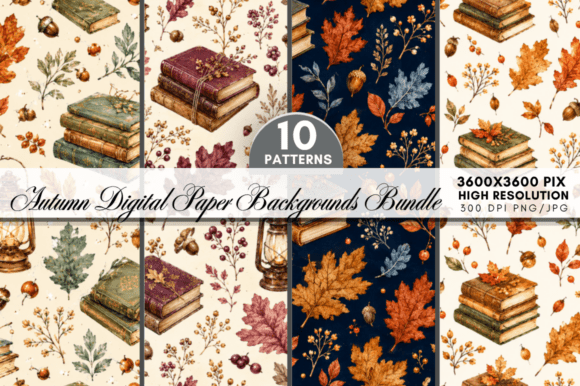
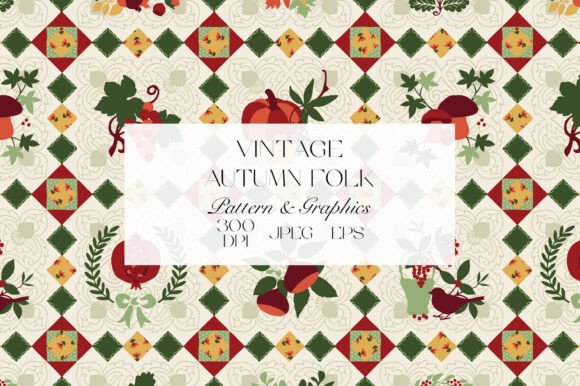
The Vintage Autumn Folk Pattern is more than a seasonal aesthetic—it's a thoughtfully crafted design asset rooted in Scandinavian folk art and rustic autumn themes. With woodland-inspired illustrations, harvest elements like pumpkins, acorns, mushrooms, and berries, and delicate ornamental motifs, this pattern offers a warm, earthy palette that supports a variety of creative and commercial applications. From fabric prints to seasonal packaging, its seamless, tile-style composition allows for flexible integration into both digital and physical design projects.
For entrepreneurs, marketers, and creators, the Vintage Autumn Folk Pattern serves as a visual bridge between tradition and modernity. It evokes nostalgia while maintaining a timeless appeal that resonates with audiences seeking authenticity and warmth. This dual function makes it a valuable tool for those aiming to build emotional connections through design.
Strategic Use in Branding and Customer Experience
When used intentionally, the Vintage Autumn Folk Pattern can support brand positioning and enhance customer experience. Its earthy tones and folk-inspired motifs naturally align with cottagecore, rustic decor, and fall collections, making it ideal for businesses in lifestyle, home goods, stationery, and seasonal retail.
- Seasonal branding: Incorporate the pattern into limited-time packaging or digital campaigns to reinforce a seasonal narrative.
- Product differentiation: Use it in fabric prints or wrapping paper to offer a tactile, memorable experience that sets your offerings apart.
- Emotional resonance: The pattern’s nostalgic aesthetic can trigger positive associations with autumn, tradition, and comfort—key emotional drivers in purchasing decisions.
However, to maximize impact, it's essential to align the use of the Vintage Autumn Folk Pattern with your brand voice and target audience. A luxury skincare brand may find it too rustic, while a small-batch candle or tea company could benefit from the warmth and familiarity it conveys.
Planning and Application: When and How to Use It
Timing is key when integrating the Vintage Autumn Folk Pattern into your creative or commercial strategy. As a seasonal design, it’s most effective from late September through November, though it can be subtly adapted for year-round use in vintage-inspired product lines or as part of a curated aesthetic collection.
- Identify your use case: Determine whether the pattern will be used for physical products (e.g., fabric, wrapping paper) or digital assets (e.g., website backgrounds, social media templates).
- Consider your audience: Is your audience drawn to rustic, handmade, or heritage-inspired aesthetics? If so, the pattern can enhance your visual storytelling.
- Plan for scalability: The included high-resolution JPEG and EPS files allow for print and digital versatility. Ensure your production or design team can work with these formats efficiently.
For example, a small business launching a fall product line can use the pattern across packaging, product tags, and email templates to maintain visual consistency. A blogger focusing on autumn crafts can incorporate the design into downloadable guides or printables, adding value and visual appeal to their content offering.
Designing with Intention: Avoiding Common Pitfalls
While the Vintage Autumn Folk Pattern offers aesthetic appeal, using it without strategic intent can dilute its impact. Overuse or mismatched application may confuse your audience or make your brand appear inconsistent. To avoid this, consider the following:
- Brand alignment: Ensure the pattern complements your existing visual identity rather than competing with it.
- Contextual relevance: Don’t use the pattern just because it’s seasonal—ask whether it supports your message or product.
- Visual hierarchy: Use the pattern as a background or accent, not the dominant element, unless it’s the core of your design.
A common mistake is treating seasonal design elements as disposable. Instead, view the Vintage Autumn Folk Pattern as a reusable asset that can be reimagined across years or adapted for different product categories. This approach not only maximizes ROI but also builds brand familiarity over time.
Long-Term Value and Creative Potential
Investing in a high-quality, versatile pattern like the Vintage Autumn Folk Pattern can yield long-term benefits. Its seamless design and warm color palette allow for reuse in various contexts, from surface pattern design to seasonal stationery collections. For creators and small business owners, owning such a pattern can reduce design costs and streamline seasonal launches.
Additionally, the pattern’s folk-inspired motifs offer a rich visual language that can inspire broader creative projects. Whether you're developing a scrapbook collection, designing a line of autumn-themed greeting cards, or creating digital assets for seasonal marketing, the pattern provides a consistent foundation that supports both creativity and efficiency.
Conclusion: Making Informed Design Decisions
The Vintage Autumn Folk Pattern is a powerful design tool when used with intention and strategic clarity. It offers a blend of seasonal relevance, aesthetic warmth, and practical versatility that can elevate both creative and commercial projects. By aligning its use with clear goals—whether in branding, customer experience, or product development—you can ensure that the pattern enhances rather than distracts from your overall message.
As with any design asset, the key is to approach it not as a shortcut but as a component of a broader visual and strategic framework. When integrated thoughtfully, the Vintage Autumn Folk Pattern becomes more than a design element—it becomes a part of your brand’s seasonal storytelling and creative identity.