Boho Digital Papers for Creative Design Projects
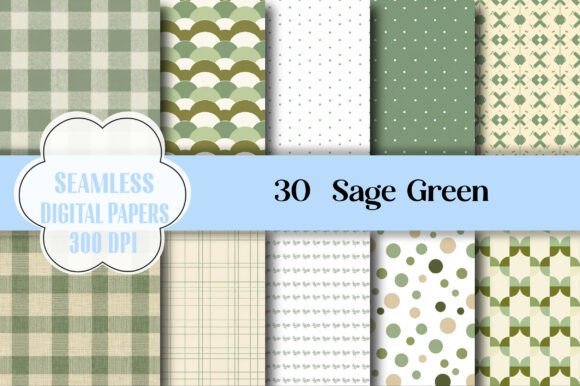
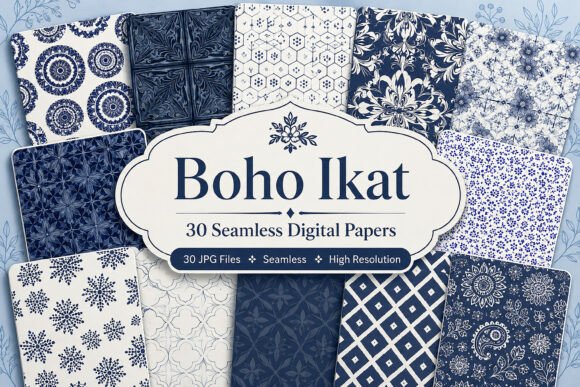
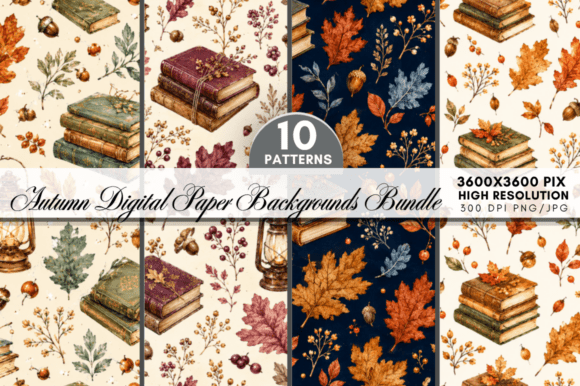
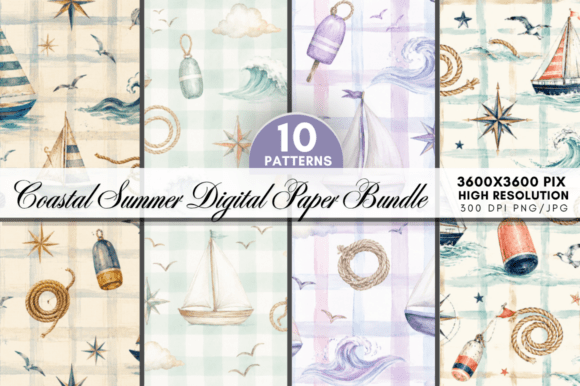
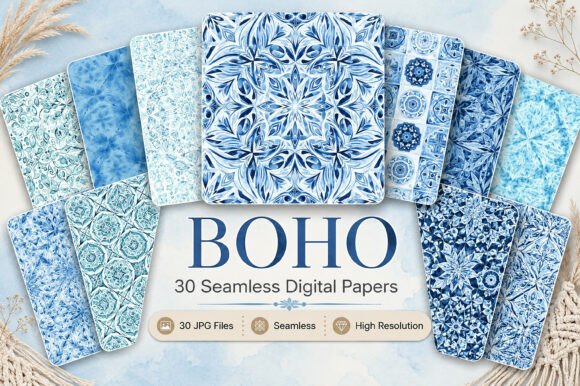
Boho Digital Papers offer a versatile and visually rich resource for designers seeking to infuse warmth, creativity, and a free-spirited aesthetic into their work. These digital papers combine earthy tones, abstract motifs, and organic shapes to reflect the modern bohemian style. Whether you're crafting branding materials, designing editorial layouts, or developing digital marketing content, this collection provides a strong visual foundation that enhances both print and digital design projects.
Why Boho Digital Papers Matter in Visual Design
In today’s design landscape, visual storytelling plays a crucial role in brand communication and user engagement. Boho Digital Papers bring a sense of organic authenticity and artistic depth to design compositions. Their seamless patterns and natural textures make them ideal for creating backgrounds, overlays, and decorative elements that elevate the overall aesthetic without overpowering the core message.
Applications in Branding and Identity Design
For brand identity projects, these digital papers serve as a valuable asset in crafting a cohesive and expressive visual language. Whether designing a logo, business card, or packaging, integrating Boho-inspired textures adds a tactile and emotional dimension to the brand experience. This is particularly effective for lifestyle brands, wellness businesses, and creative entrepreneurs looking to convey a relaxed, authentic, and nature-connected image.
- Use as background textures in logo design for a handcrafted feel
- Incorporate into packaging design for artisanal and eco-conscious brands
- Create editorial-style brand guides with organic design elements
Enhancing Marketing and Digital Content
From social media graphics to website backgrounds, Boho Digital Papers help create visually engaging digital experiences. Their high-resolution quality ensures crisp display across devices, making them ideal for banners, thumbnails, and landing page designs. When used strategically, these patterns support visual hierarchy and guide user attention without compromising readability or usability.
Practical Tips for Using Boho Patterns in Web and UI Design
When integrating Boho Digital Papers into web or user interface design, balance is key. Pair intricate patterns with clean typography and ample white space to maintain readability and visual clarity. Use them as subtle background elements or as accent textures in card layouts, buttons, or dividers to add depth and character without overwhelming the interface.
- Select patterns with consistent color palettes to match brand guidelines
- Layer with semi-transparent overlays to enhance text legibility
- Optimize file sizes for fast-loading web assets
Creative Versatility Across Design Mediums
From greeting cards and notebook covers to fabric printing and home décor, Boho Digital Papers adapt seamlessly to a wide range of creative applications. Print designers can use them for gift wrap, wall art, or custom packaging, while digital creators can repurpose the same patterns for website backgrounds, digital planners, or branded social media templates. This flexibility makes them a valuable addition to any designer’s toolkit.
For print-on-demand businesses, these papers support the creation of unique merchandise such as mugs, t-shirts, and phone cases. In editorial design, they add a tactile quality to layouts, enhancing the visual rhythm of magazine spreads and brochure designs. Even in presentation design, a subtle Boho texture can transform a standard slide deck into a visually compelling narrative.
Ultimately, the success of any design project hinges on thoughtful asset selection and intentional visual composition. Boho Digital Papers offer a professional-grade solution that supports creativity, strengthens brand identity, and enhances user experience. When used with purpose and precision, these design elements help communicate authenticity, warmth, and artistic flair—key qualities that resonate with modern audiences across both digital and physical mediums.